There’s a growing appetite in the UK for jewelry that looks polished and modern without demanding constant upkeep. From morning commutes in drizzly weather to weekends spent by the coast, daily life can be tough on finishes, which is why tarnish-free jewelry has become a priority for style-conscious wearers. The right pieces should handle sweat, rain, and routine handwashing while keeping their colour and brightness. Understanding materials, finishes, and the realities of the local climate makes it easier to choose designs that stay looking new—so that necklaces, hoops, bands, and bracelets can be worn with confidence, every single day. Whether you love pared-back minimalism or layered, trend-led stacks, a smart approach to metals and care ensures you get the shine you want with close to zero fuss. Here’s what matters when selecting tarnish-resistant pieces for UK living.
What “Tarnish-Free” Really Means in the UK Climate
First, a quick science refresher. Tarnish is a surface reaction, typically oxidation or sulphidation, that darkens or discolours metal over time. Sterling silver reacts with sulphur in the air; copper-containing alloys can dull or green; lower-carat gold can pick up a slight cast because of its alloying metals. In a damp, variable climate like the UK, humidity, pollution, and even hard water minerals accelerate these reactions. Coastal air carries salt that speeds corrosion, while city living adds particulates and chemicals that can settle on skin and metal. This is why tarnish-free jewelry isn’t just a buzzword; it’s a practical goal shaped by environment as much as by design.
Strictly speaking, no finish is 100% invulnerable to every chemical or condition, but some metals are naturally more stable. Solid gold in higher carats (14ct, 18ct) resists tarnish well; platinum and palladium are exceptionally inert. Titanium is extremely resilient, and 316L stainless steel is known for corrosion resistance and low maintenance. These base metals, combined with advanced finishes, deliver the “always-on” wear most people want. Gold PVD (physical vapour deposition) over 316L stainless steel creates a dense, long-wearing layer that bonds at a molecular level and resists sweat and water better than older coatings. Rhodium-plated sterling silver adds a bright, hard, tarnish-resistant barrier, especially helpful in urban environments.
Local regulations also protect skin and finish longevity. UK REACH rules on nickel release, tested under EN 1811, limit how much nickel can migrate from jewelry, which is vital for hypoallergenic comfort and for preventing the kind of micro-abrasions and reactions that dull a surface prematurely. Hallmarking laws help too: pieces above certain weights in precious metals must be hallmarked, confirming their fineness. For the UK, that threshold is 1 g for gold, 7.78 g for sterling silver, 0.5 g for platinum, and 1 g for palladium. When choosing everyday pieces, reputable materials and transparent standards are the strongest predictors of long-term shine. For modern, minimal designs built around durable finishes, explore options positioned specifically as Tarnish-free jewelry UK to align style with substance.
Best Materials and Finishes for Daily Wear
If the goal is low-maintenance longevity, start with robust base metals. 316L stainless steel offers excellent corrosion resistance and is widely used in watchmaking and medical applications. When combined with PVD or ion plating, it gains a rich, even colour that stands up to showers, workouts, and brisk UK winters. Unlike traditional flash plating, PVD forms a tighter, more durable bond, so the colour is less prone to rubbing off under normal wear. Look for pieces engineered with smooth edges and compact settings that reduce snagging and micro-scratches—small details that keep surfaces glossy.
Gold-filled jewelry is another standout for daily wear. With a thick, mechanically bonded layer of gold (usually 5% by weight) over a brass core, it outperforms most standard plating and retains the warmth of real gold with confidence around water and sweat. For sterling silver lovers, rhodium plating provides a crisp, white gleam that slows tarnish significantly. Just remember that all platings, even the best, are surface treatments. While they can last years with proper care, they will eventually reflect how and where they’re worn. Rings, for instance, endure more friction than necklaces or earrings and may need re-polishing or re-plating sooner.
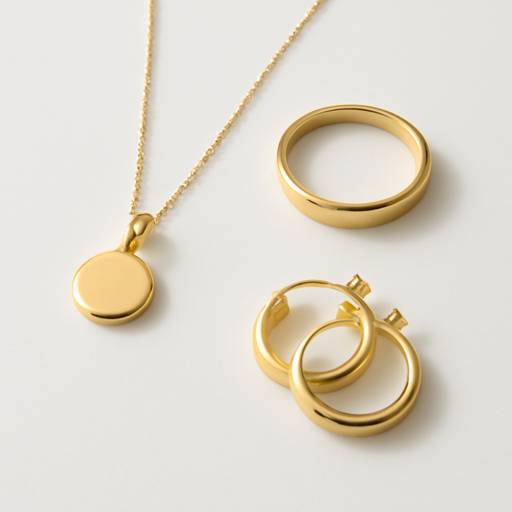
Solid precious metals remain the gold standard for true tarnish resistance. In the UK, 9ct gold is common, balancing affordability and strength, while 14ct and 18ct offer richer colour and greater resistance to discolouration thanks to higher gold content. Platinum is superbly stable and hypoallergenic, with a naturally bright grey-white hue that doesn’t require plating. For those with sensitive skin, titanium is featherlight, strong, and highly inert, ideal for studs and hoops. Across all materials, the maxim holds: buy the right metal for the right job. Daily rings benefit from harder alloys or stainless steel with advanced coatings; delicate necklaces and huggie hoops do well in 14ct/18ct gold, PVD-coated stainless steel, or rhodium-finished silver for enduring luminosity.
Simple habits magnify durability. Rinse pieces in lukewarm water after intense workouts, pat dry, and avoid harsh chemicals such as chlorine, bleach, or abrasive cleaners. In much of England, hard water can leave mineral films, so a quick wipe after showering minimises buildup that dulls shine. Store jewelry dry and separate to avoid friction. With these smart choices and care routines, “tarnish-free” becomes a daily reality rather than a promise on a label.
Style, Sizing, and Real-World Wear in the UK
Design matters as much as metal. Minimal, clean silhouettes translate seamlessly from office to weekend, creating a capsule of everyday wear pieces you can rely on. In London’s stop-start commutes, tight huggie hoops are less likely to snag on scarves or headphones. Slim, rounded bands stay sleek through frequent handwashing. Adjustable chains are practical for layering over knitwear in winter and shortening for summer tees, reducing friction that prematurely wears down finishes. In coastal towns like Brighton or St Ives, where salty air is a factor, PVD-coated stainless steel, platinum, or higher-carat gold are wise companions, keeping their colour intact through sea breezes and seaside lunches.
Case studies at street level make the difference clear. A nurse in Manchester who can’t remove rings frequently might opt for a compact 316L stainless band with PVD gold for its water and sanitiser resilience. A yoga instructor in Bristol who layers necklaces could choose gold-filled chains that shrug off sweat and daily stretching. Festival-goers heading to Glastonbury will appreciate titanium or stainless steel hoops that endure rain, mud, and marathon days without losing lustre. For silver loyalists navigating city pollution, rhodium-plated studs and pendants preserve brightness while keeping maintenance low.
Sizing and construction influence longevity, too. Look for solid clasps, closed jump rings, and smooth polish that resists micro-pitting. Subtle texture can mask inevitable tiny scratches, while a high-polish dome ring in 14ct gold or PVD-coated steel keeps its mirror finish when the curvature distributes wear. Consider the interplay of pieces: stacking slim rings made from similar hardness levels reduces uneven abrasion; combining a harder stainless band with a softer 9ct gold ring may lead the softer piece to develop patina faster, which can be intentional if you love character, or avoidable if you prefer pristine.
Sustainability and responsibility add another dimension to the “tarnish-free” conversation. Durable pieces that hold their finish reduce the need for frequent replacement, supporting a more thoughtful wardrobe. Many modern UK-focused brands prioritise responsible production and consistent quality controls, pairing contemporary design with high-performing materials so that your rotation stays tight and timeless. As a buying checklist, seek clear metal disclosures, plating methods (PVD or gold-filled details matter), and hallmarking where applicable. Ask how pieces are finished and tested for nickel release and abrasion. When those boxes are ticked and the design complements your daily rhythm—be it a rainy run to the Tube, a windswept hike in the Peaks, or a packed calendar of city dinners—you’ve found the sweet spot: jewelry that keeps its glow, day after day, with barely a second thought.

Helsinki astrophysicist mentoring students in Kigali. Elias breaks down gravitational-wave news, Rwandan coffee economics, and Pomodoro-method variations. He 3-D-prints telescope parts from recycled PLA and bikes volcanic slopes for cardio.